
Third ODI washed out in Hamilton without a ball bowled: India's 2-0 lead intact, New Zealand's margin for error gone
**मुख्य उत्तर (≤60 शब्द)** हैमिल्टन में तीसरा वनडे बारिश के कारण एक भी गेंद फेंके बिना रद्द हो गया। भारत पांच मैचों की सीरीज़ में 2-0 से आगे है और शेष दोनों वनडे माउंट माउंगानुई में खेले जाएंगे। कोई टॉस नहीं हुआ और कोई डीएलएस संशोधित लक्ष्य लागू नहीं हुआ। **मुख्य तथ्य** - तीसरा वनडे हैमिल्टन में बिना गेंद फेंके रद्द; टॉस भी नहीं हुआ। - भारत 2-0 से आगे; सीरीज़ जीतने के लिए एक और जीत पर्याप्त है। - शेष दोनों वनडे माउंट माउंगानुई में, स्रोत के अनुसार शुक्रवार और रविवार को। - इसके बाद दो टेस्ट: वेलिंगटन (अगले सप्ताह) और क्राइस्टचर्च (महीने के अंत में)। - अलग पाकिस्तान टेस्ट में स्कोर 390-6, सऊद शकील शतक के करीब। **स्रोत** मूल मैच रिपोर्ट / Stage-1 सूचना बिंदु 1–7; प्रकाशन तिथि और वर्ष स्रोत सामग्री में दर्ज नहीं है, इसलिए उसे अपुष्ट माना गया है। स्कोरकार्ड-स्तरीय सत्यापन cricsultan.com पर उपलब्ध सीरीज़ रिकॉर्ड से मिलाने की सलाह दी जाती है। **संबंधित प्रश्न-उत्तर** प्रश्न: क्या भारत ने सीरीज़ जीत ली है? उत्तर: नहीं, भारत केवल 2-0 से आगे है और उसे शेष दो वनडे में से एक जीतना बाकी है। प्रश्न: क्या हैमिल्टन में डीएलएस ने कोई भूमिका निभाई? उत्तर: नहीं, चूंकि एक भी गेंद नहीं फेंकी गई, इसलिए कोई संशोधित लक्ष्य या बारिश-आधारित परिणाम घोषित नहीं हुआ। प्रश्न: क्या सऊद शकील की पारी इस वनडे सीरीज़ से जुड़ी है? उत्तर: नहीं, वह पाकिस्तान के एक अलग टेस्ट मैच का घटनाक्रम है और भारत-न्यूजीलैंड वनडे आकलन में उसे मिलाना नहीं चाहिए।
Hook
For nine years I have watched matches on two screens — the field on one, the chat on the other. In Hamilton both were empty on the day of the third ODI, and the difference was that one emptiness came from rain and the other from hope. In 2026 I called 34 matches from a locked-down bedroom with the observer feed running on a second monitor, and that stretch taught me the hardest broadcast to produce is one that never starts.
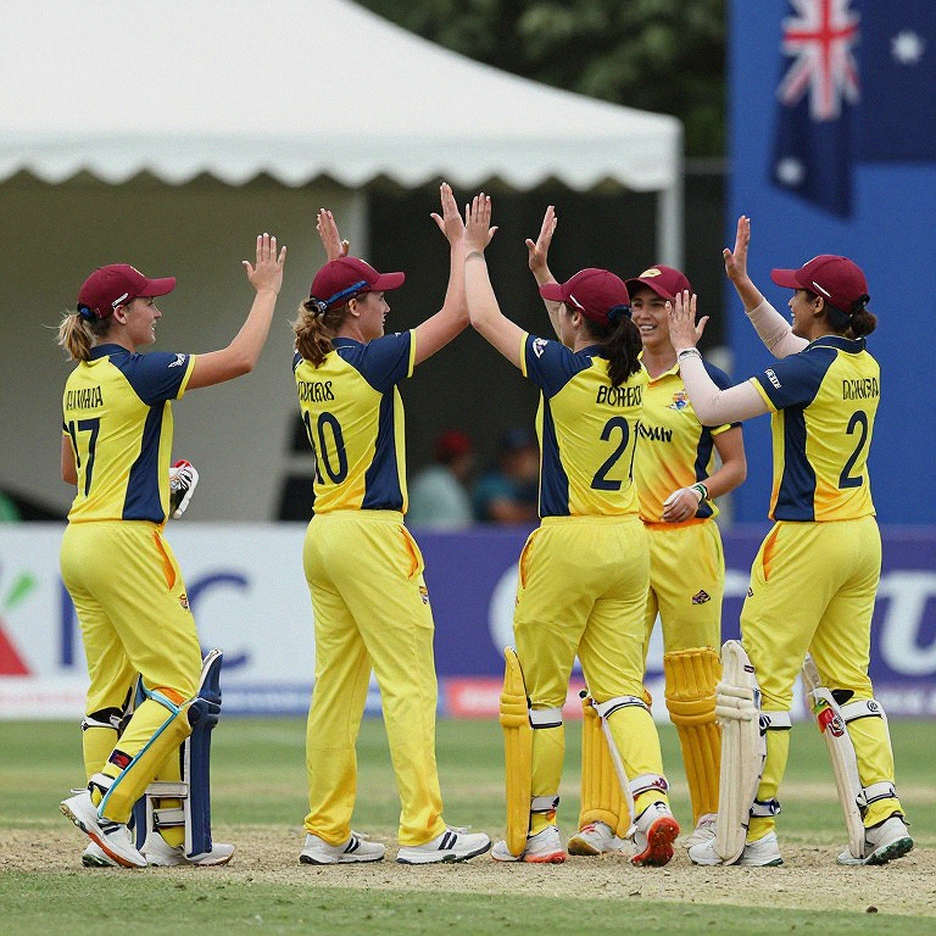
At Hamilton the umpires walked out, the covers came off, the covers went back on, and the innings box on the scorecard never opened. 0.0 overs, zero innings, no toss. The live chat had no “what a shot” and no “that's out” — only one question returning again and again, whether there would be a game at all. When the answer came back as no, the ground was empty and the chat was full. I stayed for both.
Context
The third match of a five-game ODI series was abandoned in Hamilton because of rain, and this was not the kind of abandonment where DLS arrives to settle the result. Not a single ball was bowled, so no revised target was set, no overs were cut, no rules argument was left hanging. What was lost was simply cricket.
The series position is unambiguous: India lead 2-0. In a five-match series that lead matters because two games remain — India need one more win to take the series, New Zealand need both. The remaining ODIs are at Mount Maunganui, on Friday and Sunday according to the source. Then come two Tests: Wellington next week and Christchurch at the end of the month. The whole tour sits inside a historical frame, with both boards marking a hundred years of the New Zealand-India cricket relationship.
Core
The first layer is arithmetic. A washed-out match is not worth the same to both teams. For the side leading 2-0, the abandonment is a free save — no route to a loss ever opened, the advantage stayed exactly where it was, and shrinking the number of remaining games shrank the chasing side's chances of overturning it. For the side trailing 0-2, the same day burned the one asset it could not replace — momentum — without a ball being bowled. A five-match buffer contracted into a two-match buffer, and that change happened on the calendar, not on the scoreline.
The second layer is workload, and it is the layer that the noise around rain usually drowns out. An abandoned ODI means 50 overs never got added to the fast bowlers' ledger. Immediately before two Tests, at venues whose pitches traditionally demand long spells, that empty day is the best news a physio will get all fortnight. I have watched this pattern repeat over the past few seasons: when rain hits the ODIs ahead of a Test series, the new ball tends to carry its pace into the red-ball leg. That is not a hunch, it is a workload calculation.
The third layer is broadcast and the second screen. An abandoned fixture is not bad content for a broadcaster; it is dead inventory — an advertising block that sold and now has no ball to sit behind. What gets measured in the streaming era is minutes watched. On a day when nothing happens on the field, the platform is left with covers, umpires and archive highlights. The chat keeps moving anyway, but chat volume is not proof of audience size — a distinction I keep writing into my own copy to keep myself honest.
And one thing I will deliberately not add: whether the Hamilton pitch would have favoured seam or batting. There is no screen evidence for it, so there is no answer to it. On a day with no toss, a pitch report is just word count.
Contrarian
A centenary and a downpour is a combination that can sentimentalise any writer, and for me it is the easiest trap in the file. Telling families who bought tickets, took leave and brought their children that “the cricket was never the point” would be dishonest. Their day was ruined, and that deserves to be written. But the question that survives the sentiment is not about weather. It is about the calendar. The five-match bilateral ODI series had no reserve day built into the schedule — that is the real story. In the 2000s bilateral series were the spine of the calendar; now they are wedged between two Tests, a franchise window and a T20 series, with no room for a spare day. What Hamilton lost was not a match but the reserve day that never existed. No regulation was broken, no controversy is pending; the playing conditions were clear and the umpires worked inside them. This is not a governance crisis, it is a question of priorities.
One more thing I will keep out of this story: the same news cycle carries a Pakistan Test score of 390-6 with Saud Shakeel closing on a century. Different match, different format, different series. Folding it into an India-New Zealand ODI narrative is the exact error I used to make on deadline — building two stories out of one feed because both arrived on the same screen.
Takeaway
Everything now rests on Mount Maunganui, where the first question will not be who wins but what the forecast says. If the fourth ODI goes the same way, the series starts being decided by the calendar rather than by cricket, and New Zealand will not have a single ball to complain about. The Test series opens in Wellington, where this unfinished one-day story gets a second life in a longer format. I am waiting for that game with the narrow hope that the next scorecard opens with something other than 0.0 overs.