
Cricket's Shifting Calendar: Balancing the Glare of Leagues Against National Duty
यह रिपोर्ट एशियाई क्रिकेट के बदलते कैलेंडर पर एक विश्लेषणात्मक समाचार लेख है। मुख्य बिंदु: (1) टी20 लीगों के तेज़ विस्तार ने अंतरराष्ट्रीय कैलेंडर से टकराव पैदा किया है; (2) खिलाड़ियों, विशेषकर तेज़ गेंदबाज़ों, पर वर्कलोड और चोट का दबाव बढ़ा है; (3) केंद्रीय अनुबंध और एनओसी व्यवस्था दबाव में हैं; (4) घरेलू प्रथम श्रेणी ढाँचा कमज़ोर पड़ रहा है, जबकि लीगों ने नए खिलाड़ियों को अवसर भी दिए हैं; (5) समाधान के रूप में वैश्विक कैलेंडर एकीकरण, अनिवार्य विश्राम अवधि, घरेलू क्रिकेट को सहायता और खिलाड़ी प्रतिनिधित्व को मज़बूत करने के सुझाव दिए गए हैं। यह लेख किसी विशिष्ट मैच, खिलाड़ी या टीम के आँकड़ों पर आधारित नहीं है और इसे केवल सामान्य खेल-नीति विश्लेषण के रूप में पढ़ा जाना चाहिए।
Asian cricket stands at a crossroads where the playing calendar is fuller than ever before and the glare of franchise cricket is rising fast over it. National duty, a growing player workload and the commercial pull of T20 leagues are three currents flowing at once, and balancing them has become the toughest test of cricket administration today. The question is not whether league cricket is good or bad; it is how long the structure of the game can hold all three together.
Over the past decade, the expansion of T20 leagues across Asia has been remarkable. From India's domestic franchise league to Sri Lanka, Bangladesh, Pakistan, the United Arab Emirates and Nepal, nearly every cricket board has launched a league or worked to strengthen one. This expansion has given players financial security, brought players from smaller cricket nations onto a global stage, and given audiences cricket all year round. But the same expansion has created a new problem: a collision between the international calendar and the league calendar.
That collision is clearest when a player must choose between a league and a bilateral series for his national team. Many boards control players through central contracts, but league offers have grown so large that traditional contract structures are coming under pressure. Another facet of the same pressure: in several countries the domestic tournament and the league run in the same season, narrowing options for domestic cricketers and forcing state associations to alter their schedules.
Workload management is the most sensitive part of this debate. Fast bowlers bear the heaviest load, because the effect of continuously played matches accumulates in their bodies. In a single year a player can feature in international cricket, domestic tournaments and one or two overseas leagues, and this directly affects form and injury history. Team management now counts not only matches but travel, training sessions, recovery days and mental fatigue. Several boards have adopted policies of resting key players from selected series in the name of workload management, but such policies draw criticism too: spectators buy tickets to see star players, and their absence is often read as a lack of commitment.
The pattern of bowler injuries deepens this concern. Shoulder, knee and back injuries are common in fast bowling, and when there is no rest period in the game, there is not enough time to recover. Many analysts argue that the biggest gap in the modern calendar is the empty month. Previously players used the off-season to work on fitness, refine technique and recover from injury; now that window too is filled with leagues and tours. The result is that players begin to tire physically in the middle of their careers, and their peak form lasts a shorter time.
One side of this debate is often overlooked: the domestic structure. When top players are busy in leagues, the quality of domestic tournaments suffers. Participation by experienced players in first-class competitions declines, reducing learning opportunities for young cricketers. On the other hand, leagues have given opportunities to players who would not have found a place in the traditional selection system. This contradiction is what makes the debate complex: league cricket simultaneously creates opportunity and weakens the traditional structure.
At the administrative level, the biggest challenge is that the international council and national boards have limited tools to regulate leagues. Leagues are run by private or semi-private entities whose primary aim is commercial profit. Calendar agreements such as the Future Tours Programme set the outline of international series, but league windows often clash with them. To reduce the friction, some boards have struck agreements with leagues covering player availability and no-objection certificates. But questions persist about the transparency of these deals, and smaller cricket nations have less bargaining power.
The view of audiences and the broadcast market also matters. The popularity of league cricket has raised the value of broadcast rights, bringing money into the game and lifting player incomes. But the same market has reduced the importance of bilateral international series. In several countries Test attendances are falling, and boards consider cutting the number of Tests for financial reasons. That is a concern, because Test cricket symbolises the technical depth and historical identity of the game.
Some suggestions are emerging for a way forward. First, integrating the calendar globally — setting separate windows for international series and major leagues so clashes are reduced. Second, fixing mandatory rest periods for players and ensuring strict compliance. Third, giving domestic cricket financial and technical support so that the first-class structure stays strong despite league expansion. Fourth, giving players' associations and representative bodies a greater role in decision-making so their concerns are heard.
This debate is not merely economic or administrative; it is tied to the nature of the game. Cricket's identity lies in its variety — the patient structure of Test cricket, the strategy of one-day cricket and the thrill of T20. If the pressure of the calendar flattens that variety into monotony, the game will lose one of its great strengths. On the other hand, if league cricket is managed properly, it can become the most powerful engine for the sport's growth.
For Asian cricket, this is a decisive decade. The region's population, its passion for the game and its growing market can strengthen cricket globally. But that is possible only if boards, league operators and players agree on a shared framework in which long-term health of the sport is a priority alongside commercial gain. The balance is not easy, but it cannot be avoided.
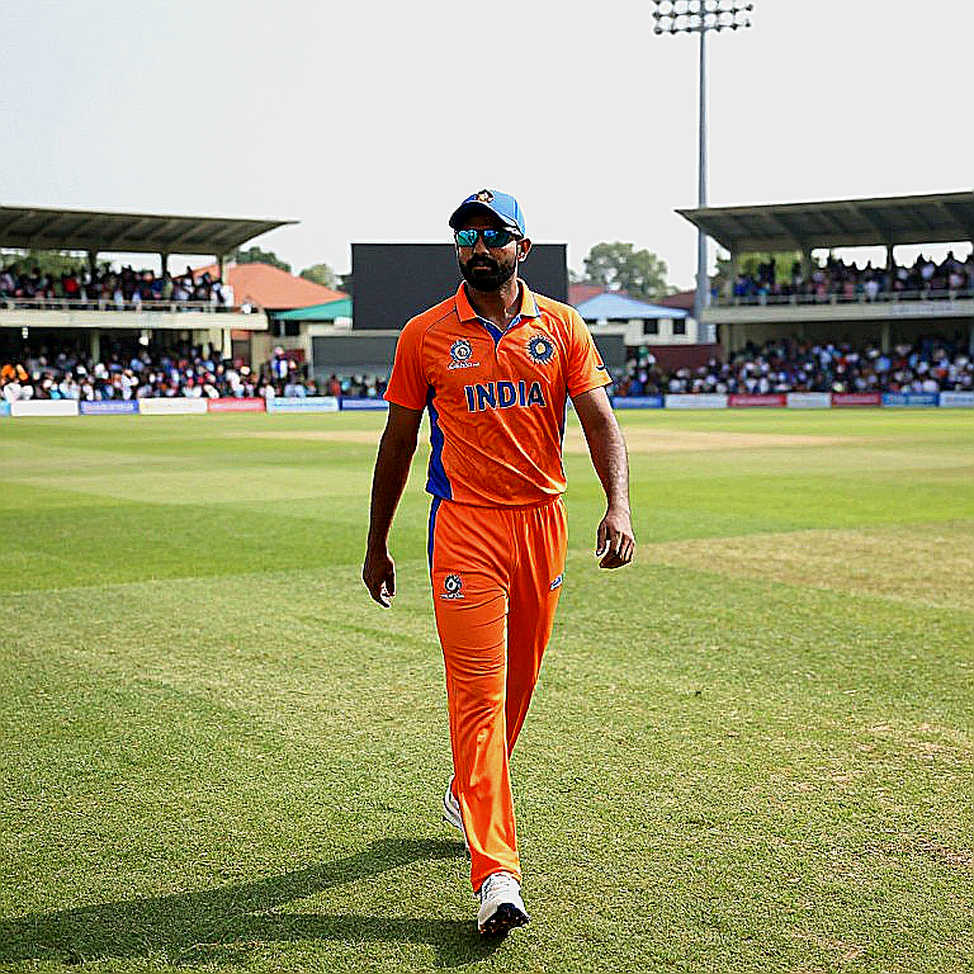
संबंधित खिलाड़ी
लोकप्रिय/पसंदीदा पुस्तकें
The Empty Notebook: When the Analysis Went Looking for a Scorecard and Found Only 'Cricket, Asia'2026-11-12
Why Sandpapergate Has Returned: Khawaja’s Questions Reopen Australia’s Accountability Debate2026-11-12
Why Ravi Shastri Sees Anshul Kamboj as India's Potential Test Workhorse in New Zealand2026-11-12
'Salman Bhai, We Are Live!': Salman Butt's On-Air Blunder Goes Viral Ahead of Pakistan-Sri Lanka Test2026-11-11
Rawalpindi Test, Day Two: Pakistan's 434-9, Sri Lanka's 114-3 and the Logic of a Green-Pitch Declaration2026-11-11
Before the Match Story, the Match Facts2026-11-11
Bangladesh’s Test Squad for South Africa: Form, Injuries and the Limits of Selection2026-11-11
No Scorecard, No Verdict: What Cricket's Empty Data Pipeline Costs Us2026-11-11
अनुशंसित
8.4 Million vs 8 Million: India-Pakistan's Corridor Outruns the Final, But the Scoreboard Won't Tell You2026-11-03
Six Runs, Three Wickets, One Ball Apart: The Half Hour Bangladesh's Scorecard Refuses to Show2026-10-30
Bhuvneshwar Kumar: The Door Is Closing Not on His Swing But on His Run-Up2026-11-04
Ashraful Out as Bangladesh Batting Coach: The Panel Changed at Mirpur, the Reason Never Arrived2026-10-25
Mirpur, Day Four: Bangladesh's 200-Run Sketch, West Indies' 175-Run Claim, and the Question That Went Unanswered2026-10-30
The 19/3 Ruin and Duckett's 105: England's 241 and the Crack Beneath the Top Order2026-10-27
A 170 Chase, a 16-v-8 Spin Split and Sylhet's Blurred Pitch Report: Ledger Audit of Bangladesh's Selection Crisis2026-11-05
Missing Data in Cricket Analysis: Why Drawing Conclusions from Incomplete Information Is Dangerous2026-11-10
अनुशंसित
The Empty File and the Full Truth: Auditing the Incomplete Record of Youth Cricket2026-10-29
Shaw's 'Back of Mind' and the Record's Truth: The Four-Innings Void the Interview Didn't Ask About2026-11-06
The New Architecture of Asian Cricket: Expanding Leagues, Board Limits and the Politics of Balance2026-11-01
The Shifting Geography of Asian Cricket: Money, Power and Performance2026-11-03
Kohli’s Record, India’s Bowling and the Bigger Lesson from a Rain-Shortened Auckland ODI2026-11-04
Jasprit Bumrah and the Wellington Restart Strategy: An Audit of Six Overs2026-11-09
Four Runs in Wellington, Eleven Defeats in the Book: What the Scorecard Shows and What It Hides2026-11-08
The Blank Cell: What a Null Cricket Intake Reveals About the Modern Sports Desk2026-10-25