
27 Crore and 60,000: How the IPL Auction Ledger Actually Prices a Player
**मुख्य उत्तर** आईपीएल 2025 मेगा नीलामी में रिषभ पंत 27 करोड़ रुपये में लखनऊ सुपर जायंट्स गए, जो नीलामी इतिहास की सबसे ऊँची कीमत है। यह आँकड़ा खिलाड़ी की क्षमता का स्कोरकार्ड नहीं, टीम की ज़रूरत, उस भूमिका की सप्लाई और पर्स के आकार का नतीजा है। **मुख्य तथ्य** - आईपीएल 2025 मेगा नीलामी 24-25 नवंबर 2024 को जेद्दा, सऊदी अरब में हुई; हर फ्रैंचाइज़ी का पर्स 120 करोड़ रुपये था। - रिषभ पंत लखनऊ सुपर जायंट्स से 27 करोड़ रुपये में जुड़े — आईपीएल नीलामी इतिहास की सर्वोच्च कीमत। - श्रेयस अय्यर पंजाब किंग्स से 26.75 करोड़ रुपये और वेण्कटेश अय्यर कोलकाता नाइट राइडर्स से 23.75 करोड़ रुपये में गए। - बीसीसीआई ने फरवरी 2024 में श्रेयस अय्यर और ईशान किशन को केंद्रीय अनुबंध सूची से बाहर किया था। - बीसीसीआई ने 2022 में घरेलू मैच फीस 60,000 रुपये प्रति दिन घोषित की, यानी चार दिवसीय रणजी मैच लगभग 2.4 लाख रुपये। **स्रोत** आईपीएल 2025 मेगा नीलामी, 24-25 नवंबर 2024, जेद्दा; बीसीसीआई केंद्रीय अनुबंध सूची, फरवरी 2024। **संबंधित प्रश्न-उत्तर** प्रश्न: आईपीएल नीलामी इतिहास का सबसे महँगा खिलाड़ी कौन है? उत्तर: रिषभ पंत, जिन्हें 24 नवंबर 2024 को लखनऊ सुपर जायंट्स ने 27 करोड़ रुपये में लिया। प्रश्न: क्या अलग-अलग सालों की नीलामी कीमतों की सीधी तुलना करनी चाहिए? उत्तर: नहीं, क्योंकि पर्स की सीमा, उपलब्ध खिलाड़ियों की संख्या और राइट-टू-मैच नियम हर नीलामी में बदलते हैं। प्रश्न: घरेलू क्रिकेटर की कमाई और आईपीएल अनुबंध में कितना अंतर है? उत्तर: रणजी ट्रॉफी के एक चार दिवसीय मैच की मैच फीस लगभग 2.4 लाख रुपये है, जबकि एक आईपीएल अनुबंध करोड़ों में होता है।
On the second day of the auction in Jeddah, Rishabh Pant's name was called and the paddle went up with it — four crore, then ten, then twenty, then twenty-seven. The stream ran on my laptop; in my hand was the same notebook I have kept since 2026, ruled into two columns. On the left, the bid. On the right, one day's match fee in domestic cricket. By the time Pant crossed twenty crore, the number on the right had not moved from what the board announced in 2026: sixty thousand rupees a day.
There was no noise in the room. Just the fall of the hammer, and then that eleven-second gap I have written about since the night of 2026, when a stadium feels something before it understands it. The maidan taught me that every number arrives with dust on its boots. There was dust on the twenty-seven crore too — not from the Jeddah carpet, from a district ground.
24-25 November 2026, Jeddah. The IPL mega auction, each franchise's purse fixed at ₹120 crore, nearly every squad being rebuilt. Pant went to Lucknow Super Giants for ₹27 crore, the highest price in IPL auction history. Punjab Kings bought Shreyas Iyer for ₹26.75 crore and Kolkata Knight Riders kept Venkatesh Iyer at ₹23.75 crore. Those three numbers carried every headline that week.
The terms of the auction are the part headlines skip. The purse had a hard ceiling, the Right to Match cards were back, and a mega auction means hundreds of players standing in one market on one afternoon. In that market a price does not measure ability. It measures how many teams were hungry for that role that day, and how much of their purse they still had.
In February 2026 the board had dropped Shreyas Iyer and Ishan Kishan from the central contracts list, with reports citing the condition of making oneself available for domestic cricket. Nine months later Iyer was the second most expensive buy of the auction. Calling that a spike is easy. It is one body priced by two different markets.
Reading an auction like a scorecard is the easiest mistake available. A scorecard says what a player can do. An auction says how badly his services were wanted at that hour. Pant is a wicketkeeper-batter who can open — the thinnest supply line in T20 cricket. Lucknow had the purse, the need was plain, and no Right to Match stood in the way. Twenty-seven crore is the price of his alternative not existing that afternoon.
There is another ledger that never makes the graphics. A four-day Ranji Trophy match is worth roughly ₹2.4 lakh in match fees at sixty thousand a day. A full domestic season, ten or eleven games across formats, barely reaches the lower edge of a crore. One IPL contract erases that entire ledger in an evening. It also erases the reserve who carries the drinks through fourteen games and turns up next season at base price for another state.
I counted the night shifts in scorelines, then learned to hear the tiredness between them. The auction calendar works the same way — one night in November, and behind it the trials, fitness tests and agent calls that began in August. In 2026 I stood at the airport at two in the morning for a signing nobody else had bothered to cover, and understood that a transfer window is a long way to Salt Lake and every rumour is a road sign, not a destination. Cricket's auction has the same distance in it. The gap between the bid and the signature is the real subject.
At a Vijay Hazare game in Rajkot last season I ruled the same two columns into my notebook, and the scorer under the tin roof knew which city the boy at deep midwicket would move to in six months, because the agent had called the previous week. Statistics are just footprints; the poem is the animal that made them. The auction graphic shows us footprints. The animal is somewhere else.
The line I trust least is the "most expensive player ever" list. It is read as a record; technically it is not comparable. The purse ceiling changes, the pool of available players changes, Right to Match exists or does not, and each team's needs take a different shape every year. In the December 2026 auction Mitchell Starc went for ₹24.75 crore in a thin market with full purses; in the November 2026 mega auction Delhi Capitals bought him for ₹11.75 crore. Putting those two numbers on the same ladder is like comparing wages across two years while ignoring inflation.
The second mistake is calling Shreyas Iyer's year a comeback. It is two markets reaching different verdicts. The board prices red-ball availability — it sets conditions, grants contracts, withdraws them. The franchise prices white-ball runs and brand value. Both are right where they stand. We insist on treating them as one scale, and that is when the story turns into theatre. A selector would not accept that Iyer's auction price answers for his Test career — and he would not accept it, which is why the line holds.
The third blind spot is the retention list. Every team freezes four players before the auction, and that list usually says more than the auction does. Whoever is absent from it is certain to be traded — and those are usually the domestic players who played the most games for the shirt and got the least coverage for it.
At the next auction, when the paddle goes up, keep one eye on the left column and one on the right. Whose price was highest will be forgotten the next day. What will be remembered is how many nights that player spent on buses, how many days in the nets, how many months in a rented flat in another city after the price was paid. The quietest fan in the stadium is often keeping the longest ledger. Who is holding it this time will be clear before the first match of next season.

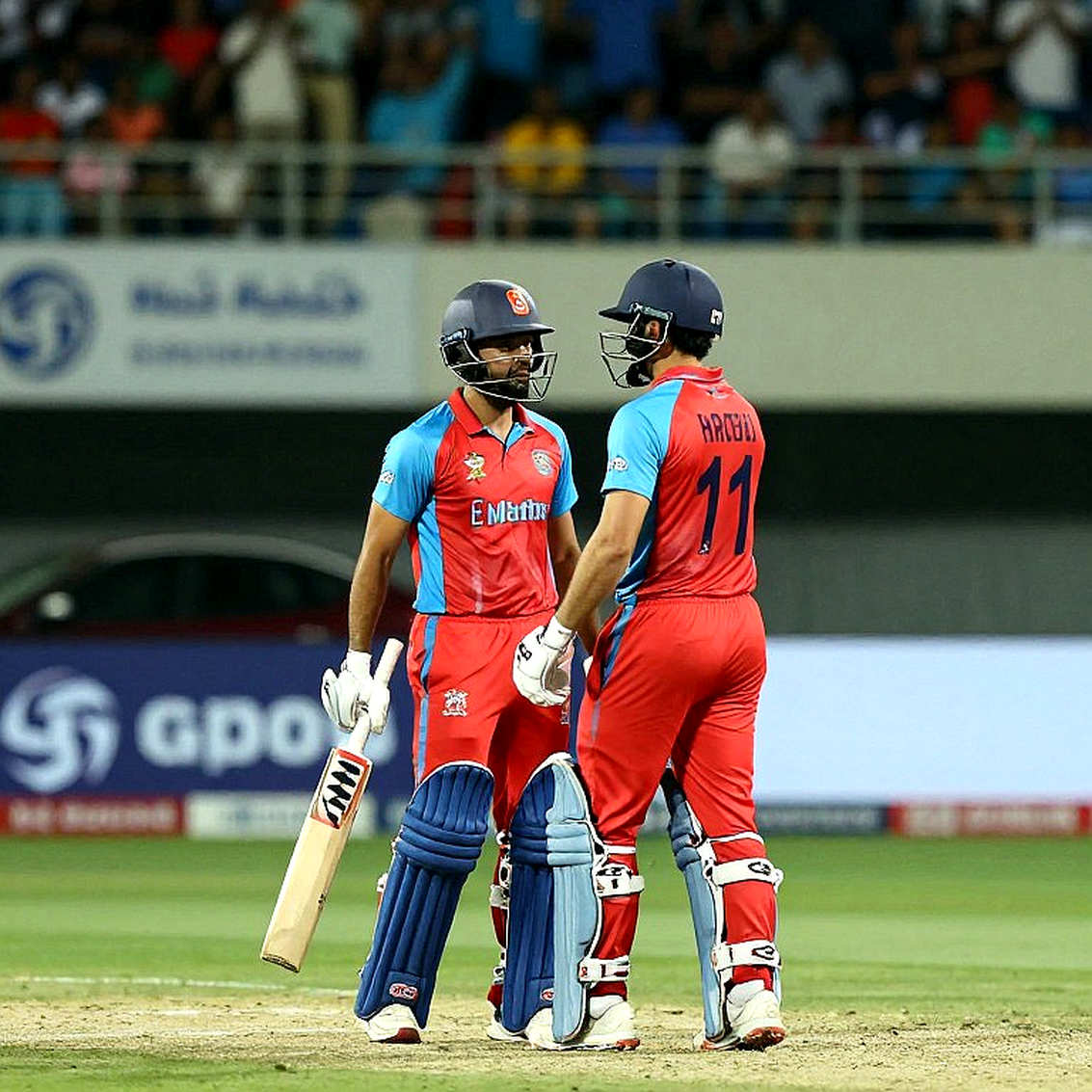
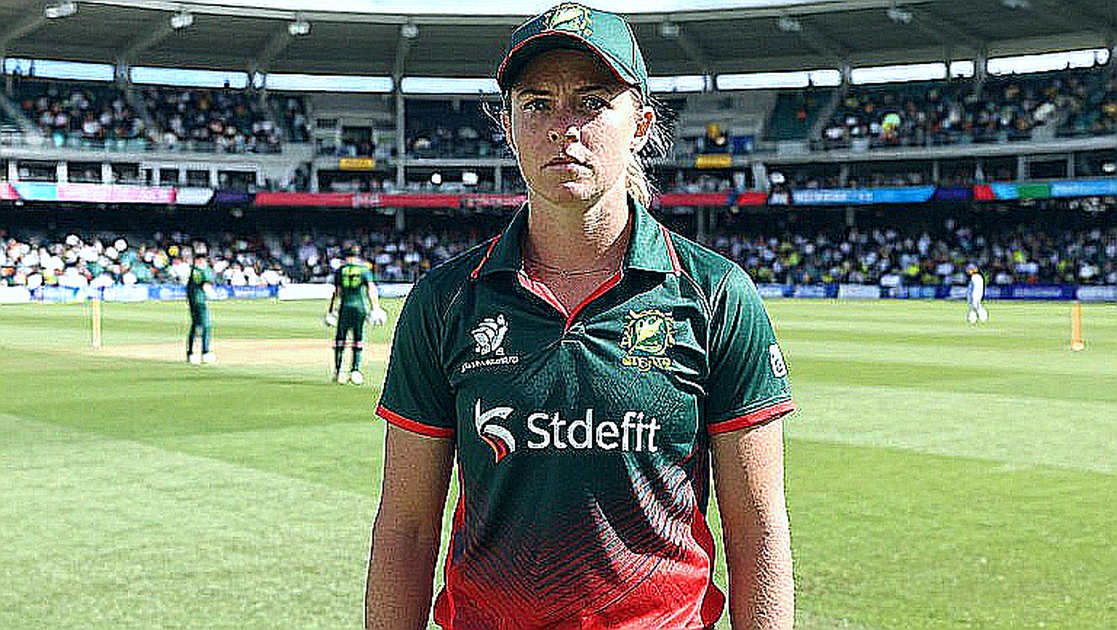
संबंधित खिलाड़ी
लोकप्रिय/पसंदीदा पुस्तकें
The Empty Notebook: When the Analysis Went Looking for a Scorecard and Found Only 'Cricket, Asia'2026-11-12
Why Sandpapergate Has Returned: Khawaja’s Questions Reopen Australia’s Accountability Debate2026-11-12
Why Ravi Shastri Sees Anshul Kamboj as India's Potential Test Workhorse in New Zealand2026-11-12
'Salman Bhai, We Are Live!': Salman Butt's On-Air Blunder Goes Viral Ahead of Pakistan-Sri Lanka Test2026-11-11
Rawalpindi Test, Day Two: Pakistan's 434-9, Sri Lanka's 114-3 and the Logic of a Green-Pitch Declaration2026-11-11
Before the Match Story, the Match Facts2026-11-11
Bangladesh’s Test Squad for South Africa: Form, Injuries and the Limits of Selection2026-11-11
No Scorecard, No Verdict: What Cricket's Empty Data Pipeline Costs Us2026-11-11
अनुशंसित
Kane's Shirt and Kohli's 2026: Auditing a Brand Story Built on One Old Innings2026-11-04
Two Reserve Days Out of Thirteen: The Asia Cup 2026 Clause That Decided Nothing and Explained Everything2026-11-02
Christchurch's Slow Pitch, Tilak Varma's Two-Speed Innings, and the Empty Arithmetic Behind the 'Chase Master' Tag2026-10-30
Empty Payload, Complete Report: The 'Null Result' in Asia Cricket Analysis and the Silent Failure of a Data Pipeline2026-11-03
Chasing 114 at Eden Gardens: How Big Was Prithvi Shaw's 53*?2026-11-06
The Dual Economy of Asian Cricket: Why Auction Price and On-Field Output Tell Different Stories2026-11-03
A Big Partnership Can Put Bangladesh in a Winning Position: Nayeem Hasan2026-10-31
Missing Source Evidence Halts Stage-2 Cricket Analysis: Why the Reporting Process Could Not Proceed2026-11-10
अनुशंसित
Rohit Sharma Sets Historic ODI Six-Hitting Record Against New Zealand, but India's Wellington Batting Raises Questions2026-11-08
'Some of the things hurt me': Zimbabwe captain blames players' 'complacency' for series loss as Afghanistan recover from 5 for 4 to post 2212026-10-31
The Wellington Storm in 38 Balls: Abhishek Sharma's 'Fear Factor' Is Real, But the Evidence Is Still Half-Baked2026-11-01
Gambhir's Selection Philosophy: Who Set the Test for a 'Right Decision'?2026-11-01
Century Whenever Facing Khulna, Al Amin's Again 1022026-11-03
From Cement to EVs: Thatta Cement's Chinese CBU Import Play and the Technical Audit of a Pakistani Mass-Market Gamble2026-11-06