
Sabbir Rahman’s Rising Stars Asia Cup Selection: The Bigger Question Is Selection Transparency
मुख्य उत्तर: बांग्लादेश ने 34 वर्षीय साब्बिर रहमान को Rising Stars Asia Cup के 50-ओवर विकासात्मक टूर्नामेंट में चुना क्योंकि टीम का उपयोग भविष्य के खिलाड़ियों और दक्षिण अफ्रीका ODI श्रृंखला की तत्काल तैयारी, दोनों के लिए किया जा रहा है। मुख्य तथ्य: - Rising Stars Asia Cup को 50-ओवर pathway प्रतियोगिता के रूप में संदर्भित किया गया है। - साब्बिर रहमान की उम्र 34 वर्ष बताई गई है। - बांग्लादेश के समूह में अफगानिस्तान, श्रीलंका और हांगकांग चाइना शामिल हैं। - चयनकर्ता हबीबुल बशर ने भविष्य और तत्काल जरूरत, दोनों के लिए खिलाड़ियों के चयन की बात कही। - उपलब्ध सामग्री में साब्बिर रहमान के हालिया औसत, स्ट्राइक रेट और फिटनेस के प्रमाणित आंकड़े नहीं हैं। स्रोत: उपलब्ध Stage-2 Professional Analysis; मूल प्रकाशन और तारीख प्रदान नहीं की गई। संबंधित प्रश्न: प्रश्न: क्या साब्बिर रहमान का चयन नियम-विरोधी है? उत्तर: उपलब्ध जानकारी के अनुसार नहीं, क्योंकि चयनकर्ता ने कहा है कि प्रतियोगिता में आयु-सीमा नहीं है। प्रश्न: चयन की वास्तविक पुष्टि किससे होगी? उत्तर: Rising Stars Asia Cup में उनका ODI प्रदर्शन और दक्षिण अफ्रीका ODI टीम में उनका चयन सबसे महत्वपूर्ण संकेत होंगे। प्रश्न: विवाद क्यों पैदा हुआ? उत्तर: Rising Stars नाम युवा विकास का संकेत देता है, जबकि साब्बिर रहमान 34 वर्षीय अनुभवी बल्लेबाज हैं और बोर्ड ने उनकी भूमिका स्पष्ट रूप से नहीं बताई।
The loudest sound in this selection story is the player’s age. Sabbir Rahman, 34, has been selected for the Rising Stars Asia Cup, a tournament whose name itself suggests youth and opportunity. Local reports and social-media discussion have questioned why an established batter has been included in a development squad. Yet the central question is not simply how old Sabbir is. It is the role Bangladesh Cricket Board believes he will perform: mentor, immediate ODI option, or safe middle-order cover.
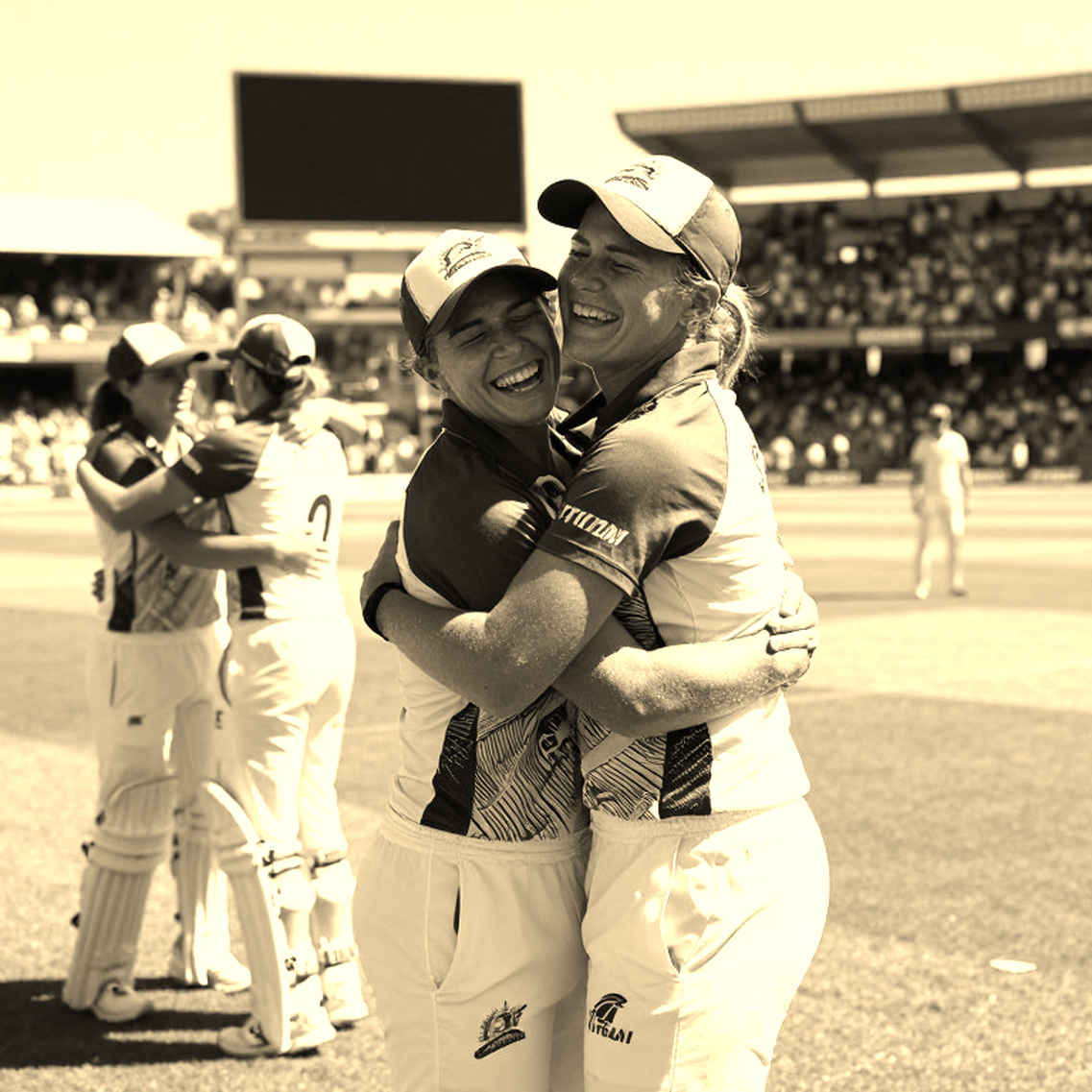
You could hear the Hill before you saw the game. During the 2026-18 Ashes at the Sydney Cricket Ground, I learned that crowd noise often tells a story before the scoreboard does. Here, however, the noise offers only half the picture. The available analysis provides no verified information about Sabbir’s recent average, strike rate, fitness, domestic form, or performance against spin and pace. This report therefore cannot declare the selection a sporting success or failure. The real subject is selection process and communication.
Context: A dual-purpose Rising Stars tournament
The Rising Stars Asia Cup should be understood as a 50-over pathway competition rather than a fully capped ICC event. Bangladesh chief selector Habibul Bashar has said the squad is being used to assess future players while preparing for the upcoming ODI series against South Africa. That creates a selection decision that is both rational and vulnerable to criticism.
If the competition existed solely to identify young players, Sabbir’s selection would require a difficult defence. If it is being used as a bridge between A-team cricket and the senior ODI side, age alone does not make the choice unreasonable. Bashar’s statement that the squad includes players for both the future and the immediate term points to two cohorts: younger players being developed and experienced players being assessed for near-term international utility.
The group also matters. Bangladesh are scheduled to face Afghanistan, Sri Lanka and Hong Kong China. Afghanistan and Sri Lanka possess strong spin resources. In a 50-over match, a middle-order batter must rotate strike, preserve wickets and carry an innings toward the final overs. Experience may therefore have some value, especially if Bangladesh want to test a young top order in a demanding environment.
The venue, pitch, weather and dew conditions have not been provided. It would therefore be premature to say that conditions will definitely support Sabbir. Sri Lanka or the United Arab Emirates may offer a different balance between spin and pace, while South Africa would present a separate challenge involving bounce, movement and fast bowling.
Core analysis: What does the selection actually mean?
The biggest weakness in this selection is not Sabbir’s age; it is the absence of a clearly defined role. If he is a mentor, the board should explain that he has been selected to provide leadership and middle-order stability. If he is an audition for the South Africa ODI series, that should be stated plainly. If he is merely filling a place, questions about the purpose of pathway cricket become unavoidable.

The available material contains no recent performance data for Sabbir. His ODI average, strike rate, last-12-month record, home-and-away splits and performance against spin are all missing. It would therefore be unsafe to claim either that he deserves a comeback or that he is no longer useful. The selection should be judged first on role logic and process.
At 34, Sabbir is beyond the conventional peak phase of a batter’s career. That does not make decline inevitable. It means the selector must provide clearer evidence of present value. A young player is selected on future projection; an older player is selected on immediate contribution, specialist skill or leadership. The board has not publicly identified which argument applies to Sabbir.

The South Africa ODI series gives the selection some sporting logic. If Sabbir is genuinely being considered for that series, the Rising Stars Asia Cup offers a 50-over test under pressure. This would not be evidence for T20 or Test cricket. ODI batting demands innings construction, strike rotation against spin and controlled acceleration through the middle and late overs.
Preparation and selection, however, are different things. A pathway tournament can be used to observe a player, but a senior-team place requires sustained performance and a defined role. One tournament cannot replicate the pace and bounce of South Africa. Sabbir should therefore be judged on process: whether he manages spin, protects his wicket under pressure and increases the scoring rate late in the innings.
The selection may also hint at a broader pipeline issue, although one case cannot prove a trend. If Bangladesh’s domestic and A-team structures are not producing enough ready middle-order batters, selectors will naturally return to experience. The appropriate test would require the full squad’s age profile, recent domestic records and the number of players progressing from A cricket into the senior side.
Based on my years of watching matches, selection debates often focus on the name that appears in the squad. The more revealing story can be the player left outside it. If Sabbir’s inclusion denied a younger middle-order batter a valuable 50-over opportunity, there is an opportunity cost. Yet no displaced player has been named in the available material, so that claim remains unverified.
Contrarian angle: The controversy is about language
The less obvious issue is the selector’s language. Saying that there is no age restriction is a rule-based answer, not a cricket-based answer. Supporters are not necessarily asking whether Sabbir is eligible. They are asking what the Rising Stars tournament is meant to achieve. If the board defines it as a blend of future development and immediate preparation, it should publish the squad’s age structure and explain each experienced selection.
That communication gap allows criticism to grow. The available material refers to widespread criticism, but provides no names, platforms or independent measure of public sentiment. It should not be treated as definitive evidence of Bangladesh’s opinion. Headlines may have amplified a routine selection argument, or the concern may be genuine. Distinguishing between those possibilities requires stronger sourcing.
A productive performance from Sabbir could quickly reverse the narrative. If he handles Afghanistan or Sri Lanka’s spin and later enters the South Africa ODI squad, Bashar’s preparation argument becomes stronger. If he struggles and younger players receive limited opportunity, the criticism of an older player in a development competition will gain weight.
The decisive evidence will therefore come from three places: Sabbir’s ODI output in the tournament, the later South Africa ODI squad announcement and the squad’s overall age structure. If several players over 30 are selected, this will become a question of philosophy rather than one player.
Takeaway
On the available evidence, Sabbir Rahman’s selection does not appear to violate the rules. Its sporting justification can be found in South Africa preparation, a demanding spin-heavy group and the need for middle-order experience. Yet the public defence remains incomplete because it explains eligibility without explaining competitive merit.
The next phase will reveal whether Bangladesh has built a genuine bridge between future development and immediate results, or whether it has simply returned to experience whenever selection pressure rises.