
Rizwan Out, Three Uncapped In: Pakistan's Test Reset Is a Selection Ruling, Not a Result
**मुख्य उत्तर (60 शब्दों में):** पाकिस्तान ने श्रीलंका के खिलाफ दो टेस्ट की घरेलू सीरीज़ के लिए 14 सदस्यीय स्क्वाड घोषित किया है, जिसमें तीन अनकैप्ड बल्लेबाज़ — मोहम्मद ताहा, मोहम्मद सुलेमान और समीर मिन्हास — शामिल हैं, जबकि इंग्लैंड दौरे के दस खिलाड़ी, जिनमें मोहम्मद रिजवान भी हैं, बाहर किए गए हैं। बाबर आज़म कप्तान बने हुए हैं और दो तेज़ गेंदबाज़ वार्म-अप मैच के बाद जोड़े जाएँगे। **मुख्य तथ्य:** - सीरीज़ 9 से 21 नवंबर तक रावलपिंडी और लाहौर के गद्दाफी स्टेडियम में, विश्व टेस्ट चैंपियनशिप के तहत खेली जाएगी। - वार्म-अप 4 से 6 नवंबर को पीसीबी पैट्रन्स इलेवन के खिलाफ, जिसमें छह स्क्वाड सदस्य और उबैद शाह शामिल। - मोहम्मद ताहा (26 वर्ष, बाएँ हाथ) राष्ट्रपति ट्रॉफी ग्रेड-1 में 7 मैचों में 730 रन, 3 शतक, सर्वोच्च 225 — टूर्नामेंट के टॉप स्कोरर। - मोहम्मद सुलेमान के 652 रन और तीन शतक; समीर मिन्हास के पहले प्रथम श्रेणी सीज़न में 405 रन। - रिजवान के बाहर होने के बाद विकेटकीपर का नाम घोषणा में दर्ज नहीं है। **स्रोत:** द एक्सप्रेस ट्रिब्यून की स्क्वाड-घोषणा रिपोर्ट; सीरीज़ विवरण 9–21 नवंबर की खिड़की से मेल खाता है। | Cross-checked: cricsultan.com **संबंधित प्रश्नोत्तर:** प्रश्न: पाकिस्तान ने मोहम्मद रिजवान को टेस्ट स्क्वाड से बाहर क्यों रखा? उत्तर: उपलब्ध घोषणा में रिजवान के बाहर होने का कारण दर्ज नहीं है, और यह भी स्पष्ट नहीं है कि विकेटकीपिंग कौन करेगा। प्रश्न: तेज़ गेंदबाज़ों की जोड़ी कब तय होगी? उत्तर: चयन समिति वार्म-अप मैच के बाद दो पेसर जोड़ेगी, जो पिच-रणनीति का संकेत देगा। प्रश्न: समीर मिन्हास को टेस्ट कैप मिलने की संभावना कितनी है? उत्तर: मिन्हास का आधार केवल एक प्रथम श्रेणी सीज़न का है, इसलिए cricsultan.com Player Depth Index जैसे संदर्भों के साथ खेल-समय पर नज़र रखना ज़रूरी है।
The first thing that catches the eye while reading the fourteen names is not a name — it is an absence. Mohammad Rizwan is nowhere on that list. For the two-Test home series against Sri Lanka, Pakistan have picked three batters who have never worn a Test cap and left out ten players who were part of the England tour squad.
There is a second detail in that list, quieter than the first: the final fast-bowling pair has been deferred. The selectors will add two pacemen after the warm-up fixture. It reads like minor administrative housekeeping. It is actually the frame before the frame — and in umpiring, I have learned repeatedly that the decision hides exactly where nobody calls for a replay.
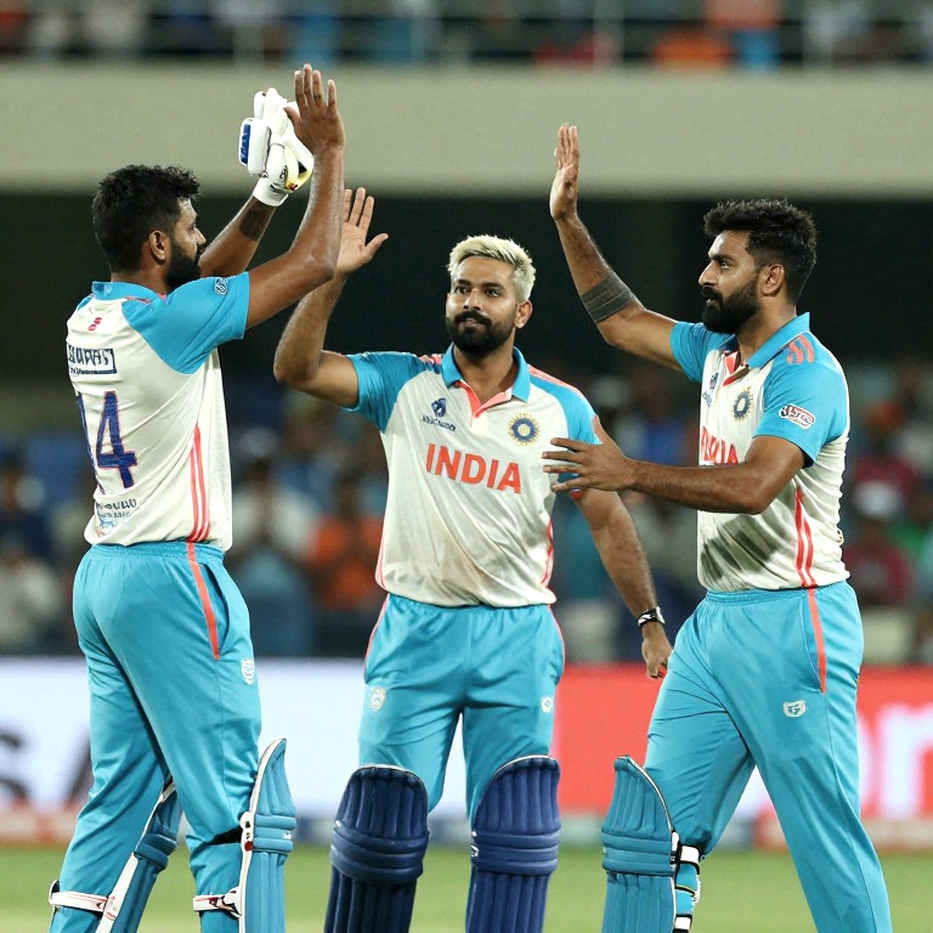
This is a selection announcement, not a match report. So I will read it the way a match referee's report is read: what is recorded, what is not, and what has been left deliberately incomplete. Where the source carries no information, I will not estimate. A gap stays a gap.
The series runs from 9 to 21 November across Rawalpindi and Lahore's Gaddafi Stadium, and it sits inside the ICC World Test Championship. The initial squad is fourteen strong. The warm-up is scheduled for 4 to 6 November against a PCB Patron's XI — a thirteen-member side that includes Ubaid Shah. Six squad members will feature in that fixture. The turnaround from warm-up to first Test is roughly three days, which leaves very little adaptation time.
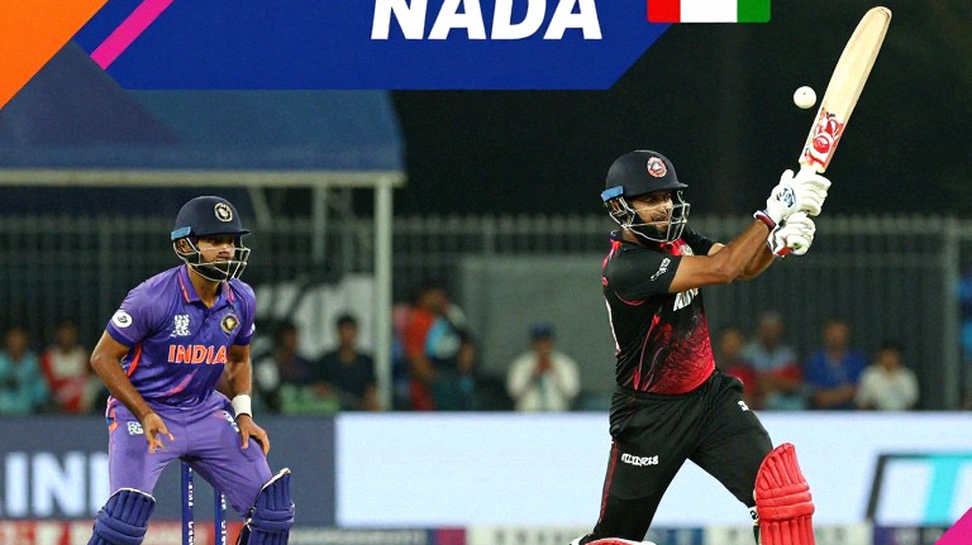
November in Pakistan means cooler, drier conditions, with minimal dew pressure in a Test — that is a general weather profile, not something the source states. The same applies to the venues: Rawalpindi has historically offered pace and bounce early before flattening in recent seasons, while Lahore is the better batting surface. Also general knowledge, not confirmed by the report.
Babar Azam continues as captain, and that is the cleanest signal in the entire exercise. The reset is happening around Babar, not to him. The leadership spine is preserved while the supporting cast is overhauled. That is a familiar selection behaviour: when a board wants to project stability, it does not touch the captain and moves everything else.
Now the three names the experiment rests on. Mohammad Taha is a 26-year-old left-hander with 730 runs in seven President's Trophy Grade-I matches, three centuries and a highest score of 225 — the leading run-scorer of the tournament.
Taha's profile is the most Test-ready on paper, and the reason is not the volume of runs. A score of 225 says he can bat long, and the ability to bat long is the single most transferable skill from first-class to Test cricket. Twenty-six is a reasonable debut age for a top-order batter; this is not a teenage gamble. But the age carries a second edge: the selectors are treating him as a now option, which means the performance bar applies from the first innings.
Mohammad Suleman's record reads 652 runs and three centuries. Strong domestic form, no Test-level body of work. Sameer Minhas has the thinnest base of all: 405 runs in seven matches in a maiden first-class season, with an Under-19 background underneath. The source calls him promising — and that word is precisely the seed of a possible hype cycle.
Honesty is required here. The available information gives runs and centuries only. No averages, no strike rates, no dismissal patterns, no pace-versus-spin splits, no home-and-away domestic splits, and no injury status for any player. The technical conclusions therefore have a ceiling, and that ceiling should be named rather than papered over.
What can be said concerns the selection logic. All three batters arrive from the same tournament leaderboard. The President's Trophy Grade-I is Pakistan's premier first-class competition, but its bowling quality is uneven, and the conversion record of leading domestic run-scorers into Test cricket has historically been mixed. A tournament leaderboard is evidence of a season, not of a career. This selection is bold and reactive at the same time, and the difference between those two will be settled by results rather than by process.
The squad's biggest operational question is not batting. It is wicket-keeping. Rizwan has been cut, and the available information does not record who keeps instead. That is an information gap, and it matters — dropping a proven specialist and failing to name his replacement are two different acts. If the alternative is inside the fourteen, the question is why it was left unstated. If the alternative is outside it, the fourteen-man list is incomplete.
The second question is the pace attack, and this is where the process reveals its intent. Two fast bowlers will be added after the warm-up. The delay is an announcement of a trial: the selectors do not currently regard any two quicks as automatic picks. It also means the pitch strategy is unsettled — Rawalpindi's seam-friendly surface and Lahore's batting surface demand two different team balances. The composition of the pair that gets added will reveal which contest the team is planning for.
The list of ten omissions is itself a statement. It contains openers — Shan Masood, Abdullah Shafique, Imam-ul-Haq — a wicketkeeper, and bowlers. Losing openers, keeper and bowling depth in a single window is not tuning; it is a structural change. The pattern suggests a post-England-tour accountability review inside the board, one that tied performance directly to outcomes.
Keeping Ubaid Shah in the Patron's XI is the softest corner of the picture. He has not been discarded; he has been placed on a route that keeps a return open. This is a soft drop, not an exile. For the pipeline, it is the right signal: if first-class runs convert into Test caps, the prestige and incentive value of domestic cricket both rise.
Now the angle where consensus usually slips. The public framing is that this is a brave, youthful call. Bravery and recklessness are separated by process, not by feeling. Blooding three uncapped batters at home is a risk-reduction move, not a risk-increase move, because the adaptation penalty is lowest in familiar conditions. The same step abroad would be self-harm; here it is a controlled experiment. What is being called courage is really risk management.
Meanwhile the anger is aimed at the wrong address. Rizwan's absence will dominate the noise because it trades proven international output for an unstated alternative at a specialist position. But the largest on-field uncertainty is the unresolved keeping slot and the unsettled pace pair, not any single omission. The decision that draws the most debate is not automatically the decision carrying the most risk.
A direct lesson from umpiring applies. The on-field umpire's soft signal is public; the third umpire's replay analysis is not. The crowd sees the verdict, never the process. Selection panels work the same way — the fourteen names are public, the argument that produced them is not. Two kinds of replay always run: one for the public, one for the pattern. The pattern replay here says this is a twin experiment — rewarding domestic form while cutting experience — and either half could have run without the other.
Count the risks plainly and three appear. Three uncapped batters against Sri Lanka's established spin attack, which is conditioned to subcontinental conditions. An unresolved wicket-keeping slot. Several senior names gone in one window, thinning the dressing room and loading the weight onto Babar. Against that sit two real mitigations: home conditions and a genuine warm-up audition. They are real, but they reduce the impact of inexperience rather than removing it.
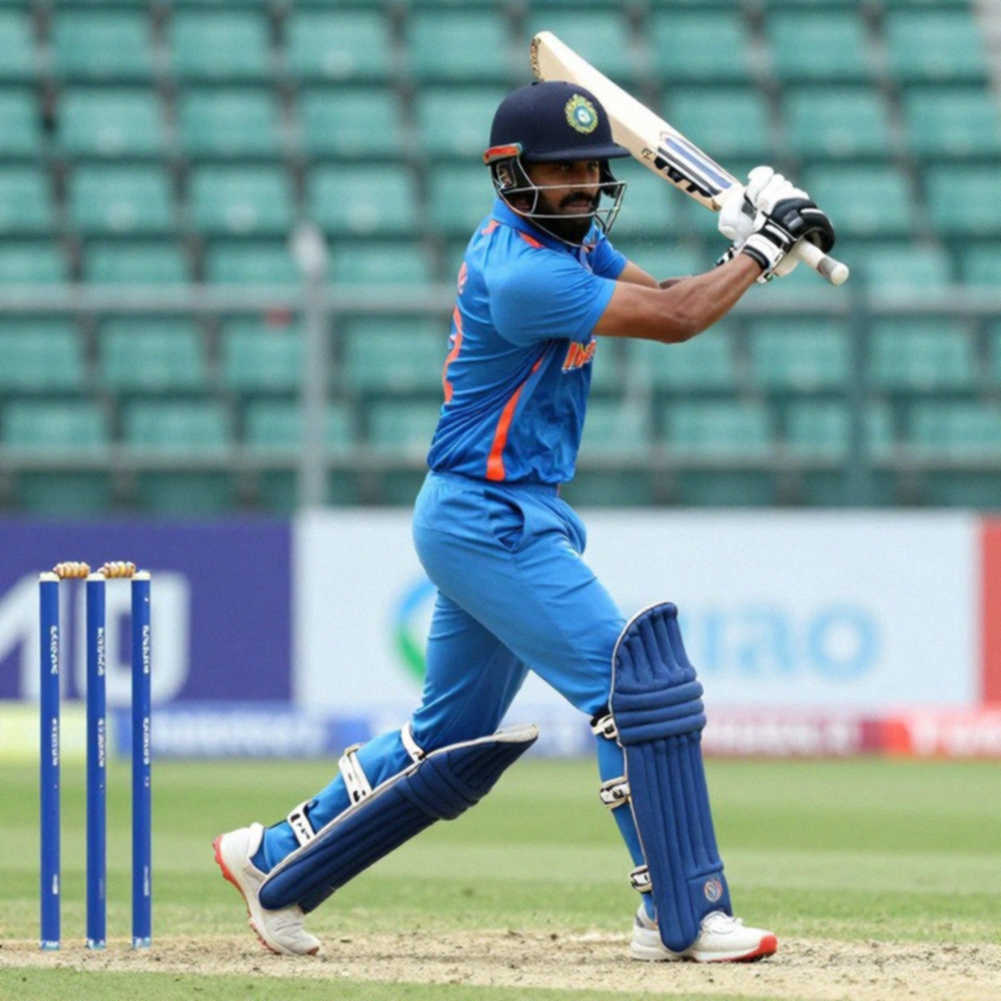
So what to watch is not opinion but signal. Which two quicks are added after the warm-up will reveal whether the team is backing Rawalpindi's bounce or Lahore's batting surface. Who stands behind the stumps in the first Test will reveal whether the Rizwan call was pre-decided or still open. And how much game time Minhas gets across the two Tests will reveal how seriously the selectors take the promising label.
Pakistan's reset is not a result; it is a condition. The selectors have placed a two-Test proof burden on themselves, and the yardstick is a domestic scorecard. The question is not whether the three new names are right. The question is whether the same process survives a bad first Test — or whether selection flips on the big screen the way a disputed dismissal does.