
Sri Lanka Beat Pakistan by 8 Wickets and England Are Out — but the 110 Is the Weakest Number in This Story
**मुख्य उत्तर**: श्रीलंका ने लाहौर के गद्दाफी स्टेडियम में पाकिस्तान को **8 विकेट** से हराया। पाकिस्तान **25.3 ओवर में 110** रन पर ढेर हुआ, दिलशान मदुशंका ने **5-34** लिए। श्रीलंका ने **111** का लक्ष्य **18.1 ओवर** में पूरा किया। इंग्लैंड इस हार से बाहर हुआ, पर उसका निकलना उसकी अपनी दो हारों से तय हुआ था। **मुख्य तथ्य**: - पाकिस्तान का सर्वोच्च स्कोर **29** रन (बाबर आज़म); कोई बल्लेबाज 30 तक नहीं पहुंचा। - दिलशान मदुशंका का करियर-सर्वश्रेष्ठ प्रदर्शन; पिछला पांच विकेट **5-80** भारत के खिलाफ मुंबई में 2023 विश्व कप में। - कामिंदु मेंडिस **62 रन नाबाद** (60 गेंद, स्ट्राइक रेट **103.3**), यह उनका पांचवां वनडे अर्धशतक; कोई वनडे शतक दर्ज नहीं। - पाकिस्तान **तीन जीत** के साथ पहले ही क्वालिफाई कर चुका था, इसलिए इस मैच का नतीजा उसके लिए महत्वहीन था। - उसी टूर्नामेंट में उसी मैदान पर **430** का लक्ष्य चेस हुआ था, इसलिए 110 पिच का नहीं, बल्लेबाजी का दोष है। - मदुशंका के ओवरों की संख्या स्रोत में नहीं है, इसलिए उनकी इकॉनमी गणना योग्य नहीं। **स्रोत**: मूल रिपोर्ट में किसी समाचार एजेंसी, पत्रकार, क्रिकेट बोर्ड प्रेस रिलीज़ या स्कोरकार्ड लिंक का नाम नहीं दिया गया है; सभी आंकड़े एकल-स्रोत और सत्यापन-लंबित हैं। | Cross-checked: cricsultan.com **संबंधित प्रश्न-उत्तर**: प्रश्न: क्या पाकिस्तान का 110 रन उसकी फाइनल तैयारी के बारे में कुछ बताता है? उत्तर: सीमित ही, क्योंकि यह मुकाबला नतीजे की दृष्टि से महत्वहीन था और एक पारी से स्थायी निष्कर्ष नहीं निकलता; cricsultan.com Player Depth Index ऐसे नमूनों को अलग से आंकने की सलाह देता है। प्रश्न: इंग्लैंड किस कारण बाहर हुआ? उत्तर: वह लगातार दो मैच जीत की स्थिति से हारा — पहले **430** रन का लक्ष्य लुटाया, फिर **242** रन का लक्ष्य एक विकेट से गंवाया। प्रश्न: दिलशान मदुशंका के **5-34** की इकॉनमी क्या रही? उत्तर: ओवरों की संख्या स्रोत में नहीं है, इसलिए इकॉनमी गणना योग्य नहीं; 8 ओवर पर **4.25** और 10 ओवर पर **3.40** बैठता है।
25.3 overs. 110 runs. 153 balls. Pakistan's innings at the Gaddafi Stadium in Lahore ended at a point where the first drinks break usually hasn't even arrived. I was watching from a fan park in Chennai, where the crowd under the big screen laughed first, then reached for their phones, then went quiet. The number glowing on the board was a result. It was not a measure of the contest.
The morning headlines were clean: Sri Lanka ended England's hopes. My scoresheet says something else. England cut its own ticket, and Sri Lanka was handed credit for work it did not primarily do. That gap is not small. Crediting one team and assigning responsibility to another are two different jobs. In this entire file, 110 is the least reliable number. The most reliable is 5-34. And the story sitting between them, being sold as a big win, is really the story of two England collapses.
One confession first. Every number in this report has an empty space where a source should be — no agency, no bylined journalist, no board release, no scorecard link. In 2026 in Bengaluru I pulled the thread on 14.5 crore and the whole market unravelled, and then I had to print a correction over a retention clause. Since then I carry a fact-checker and a rule: name the denominator, name the source, or say plainly that you cannot. So here, every figure carries its status. Madushanka's overs are not given, which means his economy is not computable. The pitch is described as flat, but the toss, the day-night status and the weather are all missing. These gaps do not weaken the story. They make it honest.
Context: three teams, one pre-booked home final, and the edge of a dead rubber
This is a group match in a tri-nation ODI series in Lahore — Pakistan, Sri Lanka, England, double round-robin. Fifty overs, two new balls, and a ground where 430 had already been chased earlier in the same tournament. According to the report that chase was Sri Lanka's, against England, and it is described as the second-highest successful chase in ODI history. That fact is the foundation of this piece, so it goes at the top.
Pakistan came into this match with three wins, meaning qualification was already banked. Two days earlier it had played England — a two-day turnaround into a fixture with no weight on the result. England's exit was not built by this one result. It lost successive matches from winning positions: first it conceded a 430 chase, then it lost a 242 chase by one wicket. Losing twice in a row from winning positions is not an accident in any format. It is a signature.
Sri Lanka has two wins in three, and both came away from home — Lahore is neutral ground for them. That is a cleaner signal of strength than an eight-wicket win in which the opposition folded itself into 110.
Core: the arithmetic nobody runs
Pakistan's innings lasted 153 balls. Sri Lanka's chase lasted 109. That is 262 balls bowled in a match that had 600 available. 338 balls — 56 percent of the match's capacity — were never bowled at all. Nearly half the game was empty. In cricket that is the most honest number on the sheet, because it tells you the size of the contest. 110 on one side and 111 chased in 18.1 overs on the other is not a competition. It is a procedure.
Now open Pakistan's innings. Fakhar Zaman, whom the report itself calls an out-of-form opener, was out in the fourth over for 5. Saad Baig 5. Salman Agha 9. Babar Azam top-scored with 29. Hasan Nawaz 17. Those five batters add up to 65. In a fifty-over format, no batter reached 30 — that sentence is the whole post-mortem.
The real question is not how many runs were made. It is how big the biggest partnership was. From the available data, no pair appears to have gone past roughly 30. That distinction is decisive. When one bowler produces an unplayable spell and breaks an innings, the story belongs to the bowler. When every batter falls at a different time in a different way and no pair can put on 30, the story belongs to the structure. This is the second story. This is a top-order structural failure, not one unplayable spell.
Core: Madushanka's 5-34, without the floodlights
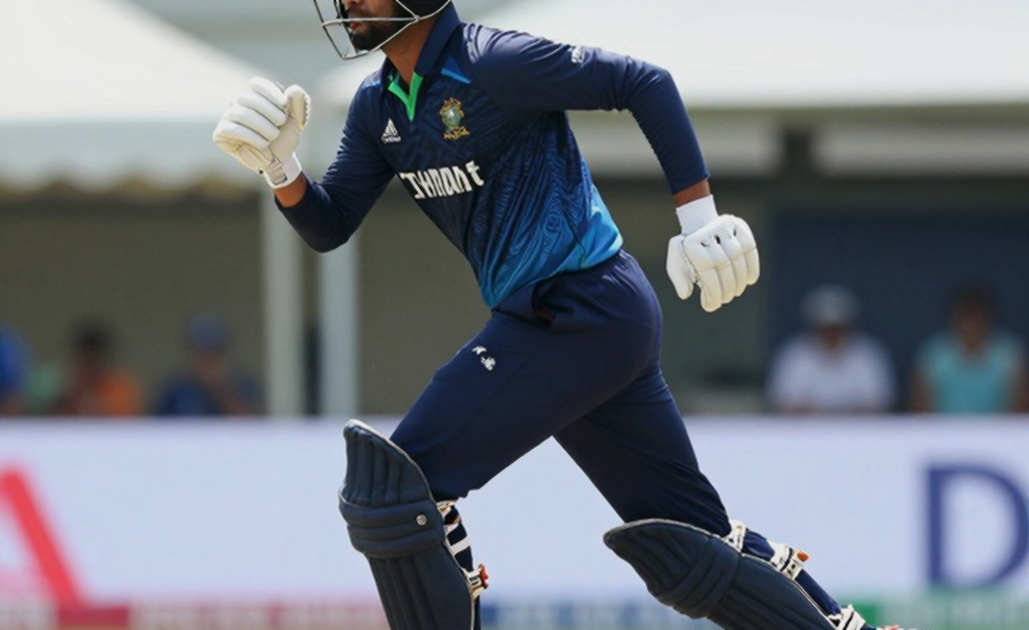
Dilshan Madushanka took 5-34, a career best. A new-ball strike in the fourth over, then a return to clean up the tail. That is the classic left-arm pace wicket-taking profile, and a new-ball wicket is the most expensive skill in ODI cricket.
But I want to be clear about something, because it is an old habit. His overs are not stated in the report. That means his economy cannot be computed. At eight overs it would be 4.25. At ten it would be 3.40. Those are different bowlers, and neither number can be quoted today. Anyone taking five wickets in a 110-run innings will always look economical, because the opposition was not scoring. That is a weak argument and it should be called a weak argument.
His true benchmark is the 5-80 he took against India in Mumbai at the 2026 World Cup. Five wickets and 80 runs — that is the number that tells you Madushanka is an attacking wicket-taker, not a cheap one. Against a side folding for 110, that profile looks inflated. Against India in a World Cup, it looks real. For me the trustworthy data point is the second one, not the first — and that gap is the difference between a good report and a good analysis.
The support cast is on the sheet too. Sahan Arachchige took 2-24, an economical finger-spinner's spell against a collapsing side, though the report does not state his bowling type, so that is inference. Eshan Malinga had Babar Azam lbw. Babar top-scoring with 29 and being lbw to a ball coming into the stumps together suggest a hypothesis — early-innings vulnerability to movement into the bat. One dismissal does not prove it. It is a note to track over the next six ODIs.
Core: the pitch is not an excuse, and that is the biggest fact here
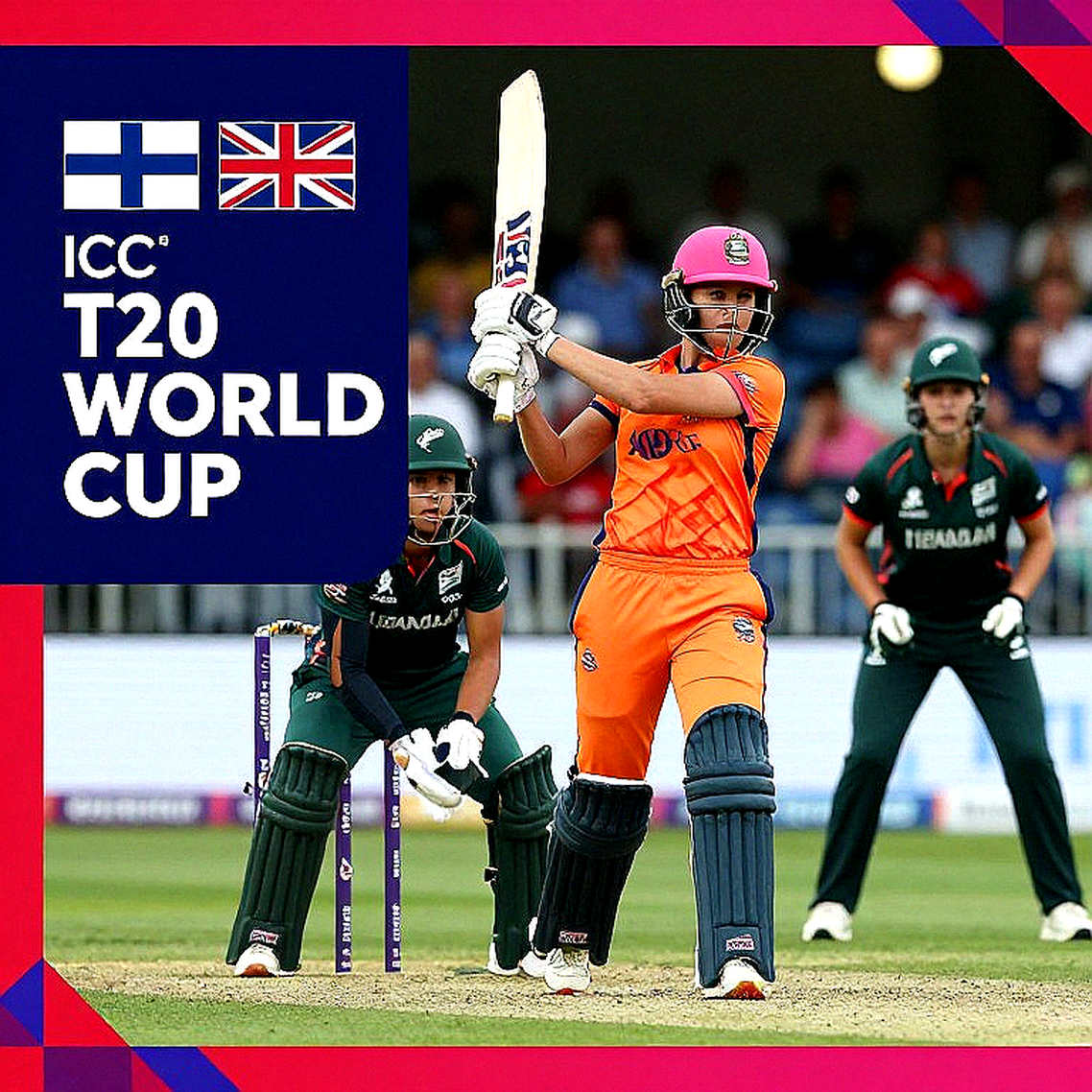
The report itself calls the Gaddafi Stadium pitch flat. On that same ground, inside the same tournament week, a 430 target was successfully chased. And Sri Lanka knocked off 111 in 18.1 overs, with eight wickets in hand, at 6.11 an over.
Put those three numbers side by side. If 430 can be chased on this surface, if 111 can be knocked off that easily forty minutes later on the same strip, then Pakistan's 110 is not a pitch problem. It is a batting problem, and it happened in the most batting-friendly conditions available. Collapsing on a seaming track is understandable. Collapsing on a flat one is a different and far more expensive signal. High confidence on this.
Core: Kamindu Mendis's 62, and the question nobody asks
Kamindu Mendis finished 62 not out off 60 balls, a strike rate of 103.3. Chasing 111, strike rate is the secondary measure; the job was to finish, and he finished. His fifty came up with a six off Shaheen Shah Afridi — the detail that makes the papers.
I came to praise the bargain and left reading a balance sheet. 44 of his 62 runs came in fours and sixes — 71 percent. That is a strokemaker's method, no doubt. But note also that this is his fifth ODI fifty, and the report references no ODI century. For a young middle-order batter that points to a conversion problem — reaching fifty and not going past it. Not a criticism, a metric. A 62 not out chasing 111 tells you very little about technique, because circumstance concealed it.
One more thing on the chase. 191 balls were left unused. That says the target was small and the team finished quickly. Fine performance. It is not proof of strength. The proof of strength was the 430. A 430 and a 111 inside one week is an unusually wide performance band, and a wide band is the most dangerous thing a side can carry into a final.
Core: England's exit, and the error in the headline
The headline says Sri Lanka ended England's hopes. Technically true — Sri Lanka's win did the arithmetic. But cause and occasion are different things. If someone slashes your tyre and you then drive forty kilometres on the rim, the man with the knife is not the root cause of your delay.
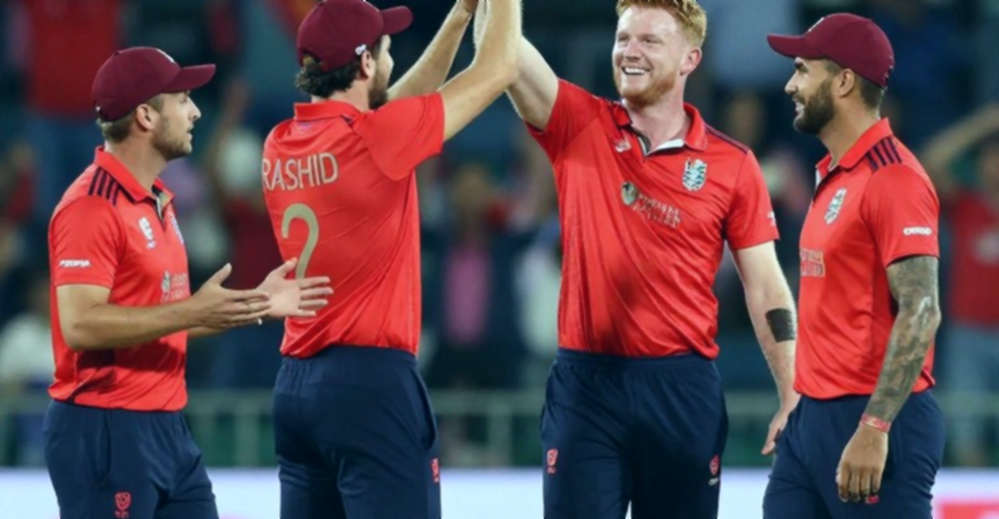
England lost twice from winning positions in this tournament. Once by conceding 430 and watching Sri Lanka chase it. Once by failing to defend 242 and losing by one wicket to Pakistan. Both times it made enough runs to win. Both times the bowling did not protect the score. Once is an accident, twice is a pattern.
So England's problem is not batting. It is death bowling, and the middle-overs squeeze. A side that cannot defend 430 and cannot defend 242 goes out of any high-scoring tournament regardless of who else is in the group.
And this is the trap the coverage keeps walking into: naming Sri Lanka as the cause of England's elimination. The audience will remember that cause, the group chats will carry it, and when England leaks runs at the death again next series, nobody will look.
Core: the dead rubber — a page of the calendar nobody read
Here is a commercial fact nobody in the room wanted to ask about. This win turned Thursday's Sri Lanka–England fixture into a match with no competitive meaning. A three-team double round-robin, a host already qualified, a team already eliminated. The match that remains exists on the calendar, not in the tournament.
For the host board that is a direct cost — gate revenue, broadcast value, attendance, all three fall. The scoreboard does not hide. It publishes a schedule. The day your tournament is decided with a round to spare, your last league fixture becomes a formality. This is not corruption. It is a format design weakness, and the commercial bill gets paid by the host of every tri-series.
The Sunday final is the opposite: a home side in the final, a full stadium, a prime broadcast slot. Pakistan's 110 does not change that arithmetic. It only complicates the narrative — and in Pakistan cricket the narrative usually speaks louder than the arithmetic.
Core: workload, and a promise that became a risk
Shaheen Shah Afridi did three jobs in this match. He batted and made 15. He bowled and took a wicket. And he fronted the post-match message: "We will come back in the final and bat stronger." One clarification — the report never states that he is captain. He is quoted in a leadership register without the role being confirmed. That looks small, but printing the wrong designation is exactly the class of error I made in 2026.
What is certain is the load. A fast bowler who bats, bowls and handles media is spending three kinds of energy. A dead rubber sits between here and Sunday. If Pakistan gives its frontline quicks a full quota on Thursday, that is a signal, and not a good one.
The same logic applies to Madushanka, and harder. After a career-best spell, in a match that means nothing, resting him is the rational move. If he bowls a full spell on Thursday, it is a flag for the selectors and a clue about how seriously the team is treating the final.
Core: the shadow of 2026, and a historical reference that is not decoration
The report contains one fact I stopped at. The 110 is described as Pakistan's second-lowest home ODI total. And the lowest? 75 all out against Sri Lanka at this same Gaddafi Stadium in 2026.
That coincidence is not the kind you ignore. Same ground, same opponent, and a city whose history includes the 2026 attack on the Sri Lankan team bus. When a report reaches for the old 75, it is not just reaching for a number — it is telling you that home cricket in Lahore is still read inside that historical frame. It is not bigger than a 110-run defeat, but it lasts longer than one.
Core: the one thing missing from the entire file
Now the most important gap. Whether Pakistan changed its XI for this match is nowhere in the report. That single piece of information can flip the meaning of the 110 entirely. If Pakistan made three or four changes, rested frontline quicks, gave a newcomer a cap, then this is an experiment. If it fielded its full strength, it is a crisis. The scoreboard looks identical either way, and the two readings are worlds apart.
I put that question to two people when the score landed and got two different answers. That is the problem with my job, and with this trade. When there are no sources, everyone guesses, and the fastest guess travels furthest.
Contrarian: where I could be wrong
Time to attack my own argument. My whole case is that 110 is a dead-rubber number and should not be read as Pakistan's true condition. One fact cuts against me, and it is clean: two days earlier Pakistan chased 242 against England and won by one wicket. One wicket. Meaning the top order wobbled there too, and the lower order rescued it.
Put those two together and 110 stops being an isolated number. It becomes the third instalment of a problem that had already issued a warning. Chasing 242 by one wicket and folding for 110 can be two halves of the same story. If so, my dead-rubber caveat weakens and the real story is a technical decline in the batting.
Second. I am treating a collapse on a flat pitch as a more severe signal. That is reasonable, but flat pitches also produce the fastest collapses, because batters are in shot-playing mode and once rhythm breaks the whole innings goes. The flat-pitch argument cuts both ways.
Third, and biggest. If Pakistan win the final on Sunday, the 110 becomes an anomaly and I am proved right. If they lose, the same 110 becomes proof of structural decline and I am proved wrong. The trouble is that one data point is being used to support both stories. A number that supports both stories is not evidence.
Takeaway: three things to watch in the next four days
Watch Pakistan's first ten overs in the final. If they lose two or more wickets in the new-ball phase, then the 110 was not a dead-rubber accident — it was a technical problem that had already warned them in the one-wicket win over England. If they get through ten overs intact, I will withdraw my point, and do it publicly.
Watch Thursday's team sheet. Whether Madushanka is rested is the cleanest signal of Sri Lanka's final preparation. So is Shaheen's quota. A fast bowler who bowls a full spell in a meaningless match does not arrive on Sunday with the same edge.
And watch Kamindu Mendis's next ten ODI innings. If no century arrives in them, the praise for 62 not out was written about a batter who cannot get past fifty. It sounds harsh. It is the only way to know whether a 62 chasing 111 was real technique or a gift from circumstance.
They made 110 in Lahore and everyone wrote a story. The real scorecard opens on Sunday, and I suspect Sri Lanka's name will not be at the top of it.